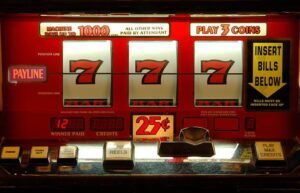
Slot games have come a long way from the mechanical machines once found in traditional casino halls. Early slots relied on physical reels, simple symbols, and basic payout structures.
Today, the same core idea has evolved into a highly digital form of entertainment shaped by software, mobile technology, animation, sound design, and increasingly sophisticated game mechanics.
Modern slot experiences are no longer defined only by pressing a button and watching reels spin. Technology now influences nearly every part of the experience, from how games look and sound to how they adapt across different devices.
Table of Contents
ToggleFrom Mechanical Reels to Digital Game Engines
The shift from physical machines to digital platforms has been one of the biggest changes in slot development.
Traditional mechanical slots were limited by the number of physical reels and symbols that could fit inside a machine. Digital technology removed many of those limitations.
Software Creates More Flexible Reel Systems
Modern slots are powered by software rather than mechanical components. Developers can design games with different reel layouts, paylines, symbol combinations, animations, and bonus structures.
Some games still use the familiar three-reel or five-reel format, while others introduce expanding grids, cascading symbols, cluster-based systems, or reels that change during play.
This flexibility gives developers much more room to experiment with how a slot operates without abandoning the simple reel-based concept that players recognize.
Mobile Technology Has Changed Slot Design
Smartphones have become an important platform for digital entertainment, and slot games have adapted accordingly.
Instead of designing primarily for desktop computers, developers increasingly think about smaller screens, touchscreen controls, and mobile performance from the beginning.
Interfaces Are Becoming Simpler
A slot game on a smartphone needs to display reels, balances, controls, information buttons, and other features without making the screen feel crowded.
As a result, modern interfaces often use larger buttons, collapsible menus, clear symbols, and streamlined navigation.
Platforms such as https://pg123.net/ reflect the wider move toward browser-based and mobile-accessible online gaming environments where usability across different screen sizes has become an important part of the overall experience.
Responsive technology also allows the same game to adjust automatically to smartphones, tablets, laptops, and desktop monitors.
Animation Is Turning Reels Into Visual Experiences
Older slot machines relied heavily on static images such as fruit, bells, bars, and lucky sevens. Digital slots can use detailed animation to make symbols feel much more active.
Winning combinations may glow, move, transform, or disappear from the reels. Background environments can also change as different features are activated.
Visual Effects Provide Immediate Feedback
Animation is not simply decorative. It can help communicate what is happening during a game.
For example, highlighted symbols may indicate a completed combination, while animated transitions can signal that a bonus feature has started.
These visual cues reduce the amount of written explanation required on the main screen and make game events easier to follow.
Sound Design Has Become More Dynamic
Sound has always been part of slot entertainment, but digital technology has made it significantly more sophisticated.
Instead of repeating the same mechanical noises, modern games can include background music, character voices, environmental effects, and separate sounds for specific symbols or features.
Audio Can Respond to Gameplay
Some games change their soundtrack according to what is happening on the reels.
Music may become faster during a special sequence, while different sound effects can accompany symbol combinations, bonus rounds, or transitions between game screens.
This responsive approach helps connect audio with visual activity, creating a more coordinated experience.
Bonus Features Are Becoming More Interactive
Technology has also expanded what can happen beyond the standard reel spin.
Many modern slots include additional features such as free-spin rounds, expanding symbols, multipliers, mini-games, changing reel layouts, or collection systems.
Features Can Create Different Layers of Play
A traditional slot often followed the same pattern repeatedly: spin the reels, check the result, and spin again.
Digital features can introduce temporary changes to that pattern.
A bonus round might add extra symbols, alter the number of active reels, unlock a separate screen, or introduce a different visual theme for several spins.
These features do not change the fact that slot outcomes are determined by the game's programmed mechanics, but they can make the presentation more varied.
RNG Technology Remains Behind the Reels
While modern slots may look increasingly complex, one important technology operates largely out of sight: the random number generator, commonly called an RNG.
An RNG is used to generate game outcomes according to the programmed rules of the slot.
Visual Effects Do Not Determine Outcomes
Animations can make reels appear to slow down dramatically or symbols seem as though they nearly formed a particular combination. However, these visual effects are part of the game's presentation.
The underlying outcome is determined by the game's software system rather than by how slowly or quickly the animation appears to move.
Understanding this distinction helps separate the visual entertainment layer from the technical process operating behind it.
Themes Are Becoming More Detailed
Digital technology has also expanded the creative possibilities of slot themes.
Games can now be built around fantasy worlds, mythology, travel, science fiction, animals, history, adventure, or fictional characters.
Technology Supports Story-Like Presentation
Advanced graphics allow developers to create detailed backgrounds, animated characters, introductory sequences, and changing environments.
Some games even use progress-style features where visual elements evolve as different parts of the game are activated.
This makes the slot experience feel closer to other forms of digital entertainment while still keeping reels at the center of the gameplay.
The Future Will Likely Be More Adaptive
Slot technology continues to develop alongside broader changes in online entertainment.
Faster mobile devices, improved browser technology, cloud infrastructure, advanced animation tools, and better audio systems are giving developers more options for building games.
Future slots may become even more responsive to different screen sizes and device capabilities. Developers may also experiment with richer interfaces, more interactive visual elements, and smoother transitions between standard spins and additional features.
Final Thoughts
Technology has transformed slots without removing the basic idea that made them recognizable in the first place. Reels and symbols remain central, but almost everything around them has changed.
Software has expanded reel structures, mobile devices have reshaped interfaces, animation has improved visual feedback, and modern audio has created more responsive environments. Bonus features and detailed themes have added additional layers to the experience.
As digital entertainment continues to evolve, slot development will likely keep moving in the same direction: familiar reel-based gameplay supported by increasingly advanced technology.